Survival PvP · High activity
Rust
Rust routes are risk plans, not speedrun lines. A wipe-day route should assess the spawn, place recovery bags, establish a defensible starter footprint, build a repeatable scrap loop, and return value before greed turns the run into someone else's progression.
Begin with the wipe-day progression route. The hub expands that plan into base checkpoints, monument selection, scrap priorities, and recovery rules for sessions where the first route fails.

Guide library
Choose the problem you are solving
5 connected route and planning sections.
Wipe-day progression route
Spawn assessment, bags, first base, scrap loops, risk, and safe return triggers.
Open guide →02Starter base checkpoint
Move from temporary shelter to a small footprint that protects the next session.
Open guide →03Scrap and unlock priorities
Farm toward a named unlock rather than carrying value without a plan.
Open guide →04Monument risk check
Choose routes by traffic, cover, radiation, inventory, and return options.
Open guide →05Recover after a loss
Keep bags, stashes, tools, and alternate loops from turning one death into a reset.
Open guide →Progression map
A route that stays flexible
Use phases as decision gates, not a rigid speedrun.
Read the spawn
Identify biome, nearby traffic, basic resources, and whether the area supports a temporary route.
Create recovery
Place bags and a minimal stash or shelter before carrying enough value to attract a costly loss.
Establish the loop
Connect the base to one reliable scrap or resource circuit with more than one return line.
Convert value
Spend scrap, improve security, and bank materials before extending toward higher-risk monuments.
Resource and build priorities
What deserves attention first
These priorities keep the route moving when options multiply.
Bags and return paths
Recovery infrastructure reduces the cost of bad fights and unlucky spawns.
A small secure footprint
Protection for tools and the next craft matters before decorative or oversized building.
Named unlocks
Know what the current scrap run is buying before risking the inventory.
Traffic awareness
Recent shots, doors, bodies, and player movement should change the route immediately.
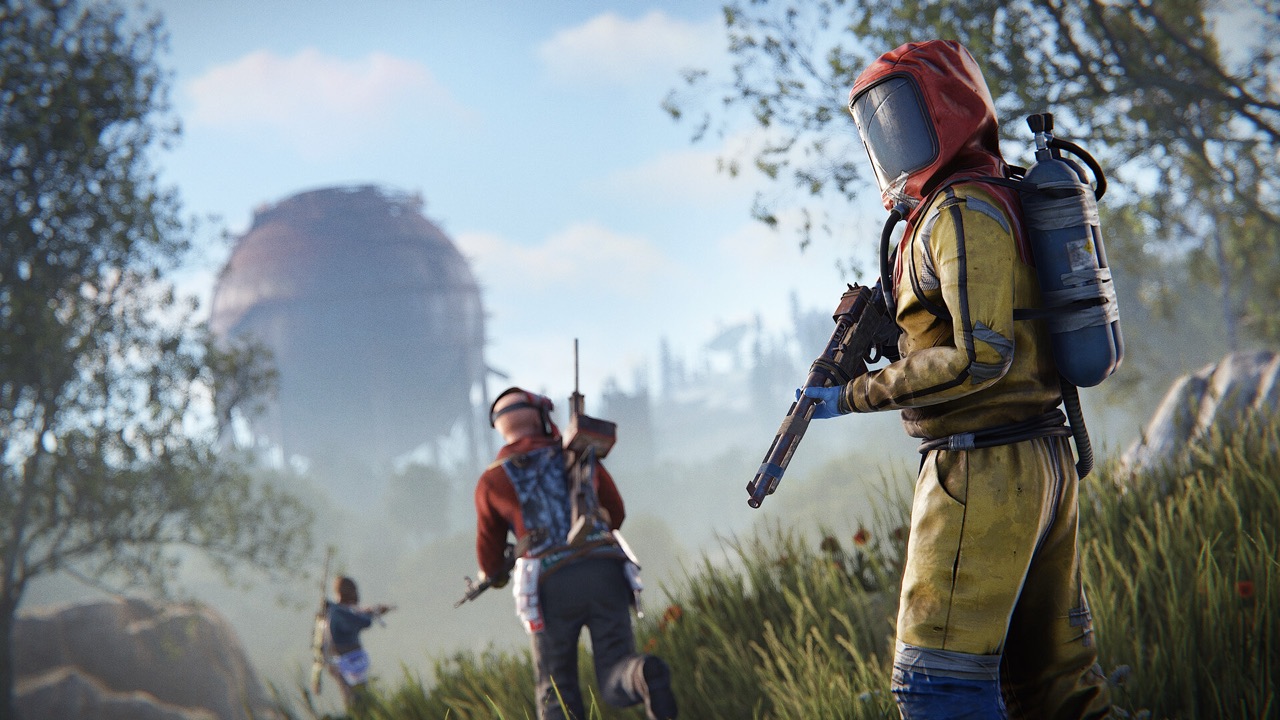
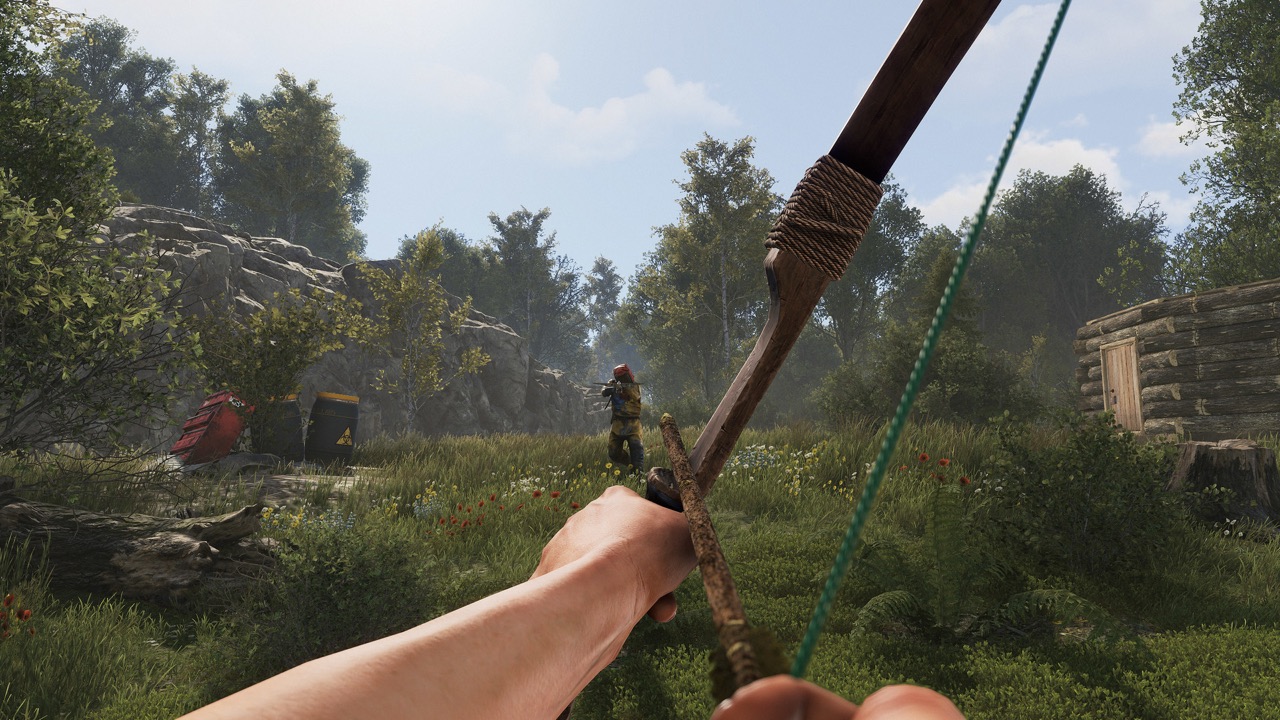
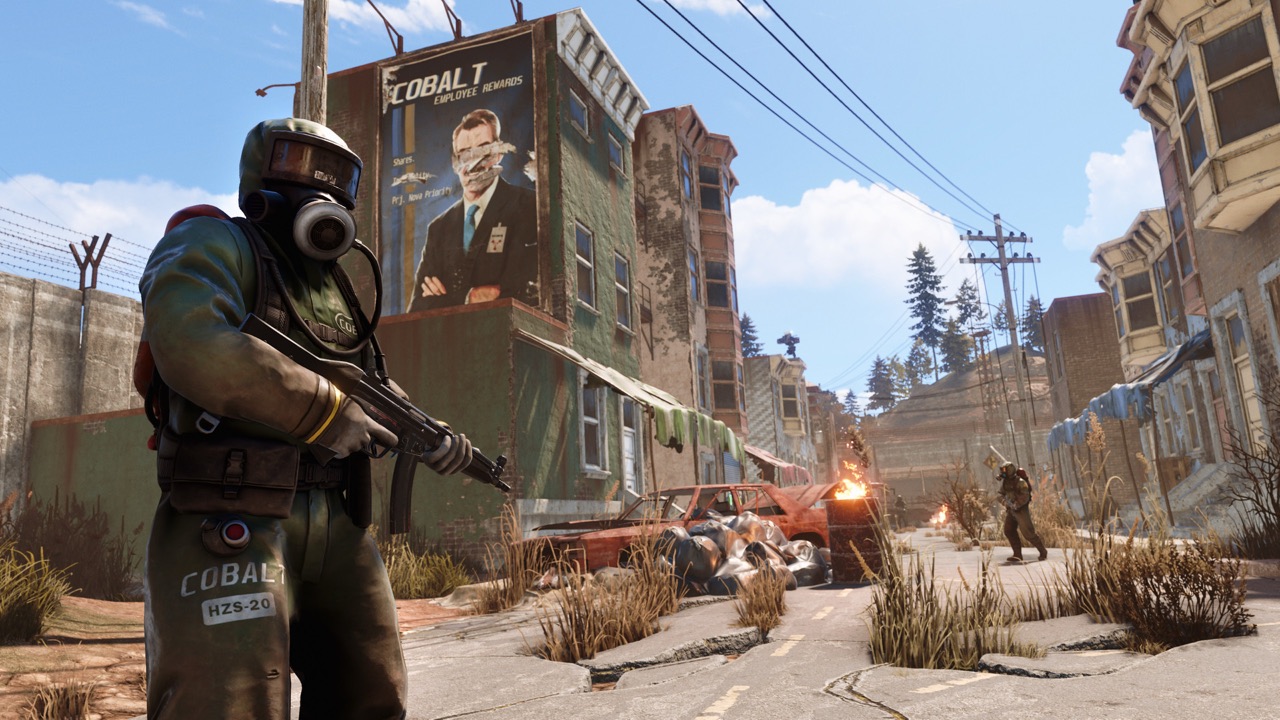
Official game media
See the route before you plan it
Publisher-provided Steam screenshots, used for visual reference.
Checkpoint
Before the next risky step
Review access, survival, recovery, and the exact reward you expect.
Troubleshooting
Common walls and route corrections
Do not repeat the same line when the problem has changed.
The starter area is crowded
Move before sunk cost turns a poor location into a permanent commitment.
Every scrap run ends late
Use a bank threshold and return before the route depends on one more stop.
One death deletes the session
Spread bags, basic tools, and small reserves across recovery points.
The base attracts attention too early
Keep the first footprint compact and upgrade the vulnerable core before expanding.